

A 1000w electric bike is a fast, efficient, and sustainable way to get around. They let you accelerate faster and reach a higher top speed than many 250W to 750W e-bikes. With pedal assist and throttle support, it also makes climbing steep hills and riding into headwinds much easier.
Now, you may be wondering: how fast does a 1000w ebike go? In general, a 1000W e-bike can reach around 28 to 32 mph, depending on factors like rider weight, terrain, battery output, and wind resistance.
What is a 1000w Electric Bike?

A 1000W electric bike is an e-bike equipped with a 1000-watt motor. The number of watts is proportional to how much power the motor provides. The higher the watt count, the stronger the motor. Likewise, a higher watt count equals more torque, so faster acceleration. The average top speed of a 1000w ebike is 28-32mph.
Factors Affecting a 1000w E-Bike’s Top Speed
Many factors influence the top speed of a 1000w electric bike. These include the motor type, rider weight, battery capacity, terrain and wind resistance, and tire pressure. Let us explore these factors in greater detail.
Motor Type
The three main motor types on a 1000w electric bike include direct drive, geared hub, and mid-drive.
Direct Drive Motors

Also known as gearless hub motors, direct drive motors transfer power from the motor to the wheel. They generate magnetic forces through a series of copper wires and magnets. Since they contain minimal moving parts, they generate little noise and have a long lifespan. They also require less torque than a geared motor to accelerate, so that they can start and stop more quickly.
Geared Hub Motors
Geared hub motors rest on the center of the front or rear wheel. When you pedal, the battery transfers power to the motor, which, through an intricate gear system, transfers force from the motor to the wheel. Geared hub motors are lighter and smaller than direct drive motors but require more torque to accelerate.
Mid-Drive Motors
Located at the center of the bike frame, mid-drive motors power the drivetrain rather than the wheel directly. This setup usually creates a more natural ride feel and delivers assistance in a way that feels more closely connected to your pedaling effort.
Rider Weight
Rider weight can affect both acceleration and top speed. In general, a heavier rider—or extra cargo such as groceries or gear—means the motor has to work harder, which can reduce acceleration, lower top speed, and drain the battery more quickly.
Battery Capacity
Generally, high-capacity batteries are larger and heavier than low-capacity batteries. And since a 48V 1000w ebike consumes lots of power, they require extra battery life to compensate for the increased energy consumption. Yet, despite the heavier batteries, the increased power of a 1000w motor enables these bikes to accelerate faster and reach a higher top speed than lighter, less powerful models.
Terrain and Wind Resistance
Terrain has a major impact on top speed. On flat, paved surfaces, a 1000W e-bike can accelerate more easily and maintain a higher speed. On rough terrain such as dirt, gravel, or uneven trails, added resistance usually reduces both acceleration and top-end performance.
Wind resistance is another contributing factor. Depending on the shape and design of your ebike frame, riding against the heavy wind will usually slow you down. A sleek, aerodynamic design may help reduce drag so you can “cut through” the air. Regardless, the forces of nature will work both the motor and your legs harder.
Tire Pressure
Optimal tire pressure is vital to reducing rolling resistance. However, there is no one ideal tire pressure. So, you should adjust your tire pressure to account for rider weight, riding style, weather, and terrain.
Lower tire pressure is often preferred on fat tire e-bikes when comfort and traction matter more. It can help absorb bumps and create a smoother ride, especially on rough terrain. However, lower tire pressure also increases rolling resistance, which can make it harder to maintain higher speeds.
How Fast is a 1000w E-Bike?
A 1000W electric bike can typically reach a top speed of around 28 to 32 mph, and in some cases slightly more under ideal conditions. Those speeds are most likely on smooth pavement with a full battery, minimal wind resistance, and a lighter load. On hills, rough terrain, or under heavier loads, the actual top speed is often lower.
Is 1000 Watts Enough for a E-Bike?
That depends on your preferences and riding style. Do you commute in urban areas? Then, you may not need a 48V 1000w ebike – unless you live or work in an area with numerous hills. In that case, the extra “oomph” of the 1000w electric motor could help. Using the pedal assist and (if equipped) throttle, you can tackle steep hills with less physical strain.
Compared with a 750W e-bike, a 1000W model usually offers stronger acceleration, better hill-climbing performance, and more support under heavier loads. For riders on flat city streets, that extra power may not always be necessary, but it can make a noticeable difference on steep terrain or more demanding routes.
Fancy off-roading? A 1000 watt motor ebike can help you overcome demanding conditions. For instance, climbing steep hills on loose gravel or riding over wet, muddy terrains. Do you need to haul heavy cargo? With a 1000w e-bike, you can pull heavy trailers and transport goods in a rear basket more easily.
Is the Speed of a 1000w Electric Bike Regulated by Law?
Electric bike laws vary depending on where you ride. In many parts of the United States, e-bikes are grouped into different classes based on how they deliver assistance and their maximum assisted speed. Here are the specifications of each class:
- Class 1: Pedal-assist only, with assistance up to 20 mph
- Class 2: Throttle-assisted, with a maximum assisted speed of 20 mph
- Class 3: Pedal-assist, with assistance up to 28 mph
- Class 4: No maximum speed limit, with pedal assist or throttle
Does this mean a 1000w ebike is a Class 4 vehicle? Essentially, yes. So, you (the rider) must be licensed, and the ebike must be registered and insured. You are also subject to the same road rules as motorbikes and dirt bikes, which mandate the use of a safety helmet. These rules may not apply to off-road riding. However, please refer to your local district for clarification.
Tips for Riding a 1000w Electric Bike at High Speeds
Safety is paramount when riding an electric bike - especially when riding 28mph and higher.
In 2021, 966 bicyclists were killed in traffic crashes, according to the National Highway Traffic Safety Administration (NHTSA). While this figure accounts for electric and non-electric bikes, in reality, following the rules of the road and wearing property safety equipment is essential to your survival.
Here are safety tips for riding a 1000w electric bike at high speeds:
Wear a Safety Helmet
Purchase a safety helmet from a reputable manufacturer. Ensure the helmet is the right size and made from high-quality materials. Be sure to adjust the strap or have someone else do it for you until you achieve a snug but firm fit. Always wear your safety helmet whenever you ride your electric bike.
Ride Within the Legal Speed Limit
When riding on a public road or local area, follow your district’s relevant speed limits, which could be anywhere from 20 to 28mph. Ensure you are up to date with your district’s local laws. And ride slower in areas with limited visibility, such as at night, in the fog, and in areas with minimal street lighting.
Be Aware of Other Drivers and Pedestrians
Wherever you go, ride predictably. Ride in such a manner that other drivers and pedestrians can predict your actions. Always ride in the same direction of traffic and look over your shoulder before you turn corners and change lanes. Where possible, avoid riding on sidewalks – especially during peak hours.
Enjoy the Power of a 1000W Electric Bike Responsibly
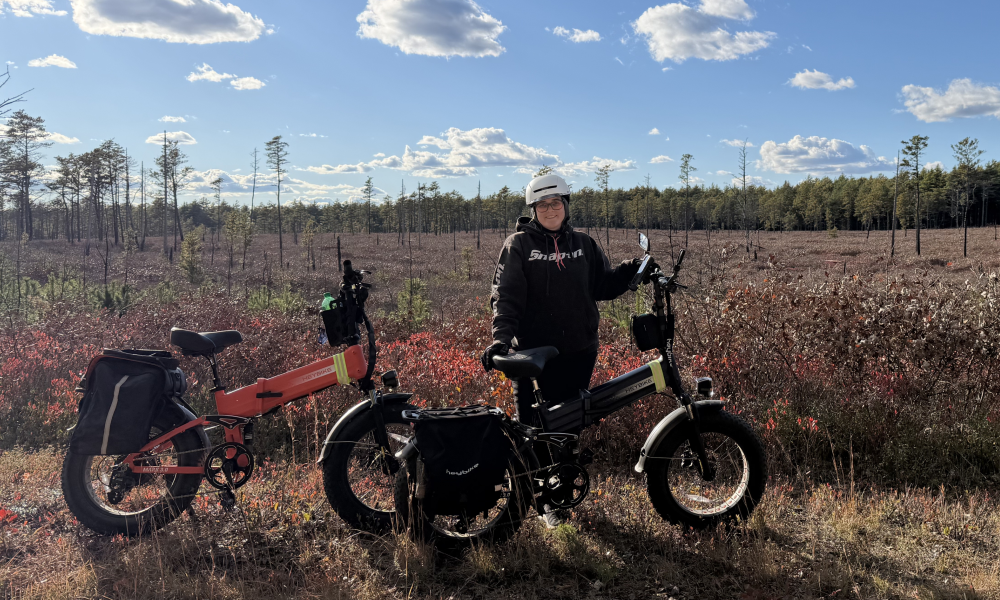
Riding a powerful e-bike like the Heybike Mars 2.0 can make hills, rough terrain, and longer rides feel much easier to handle. With strong motor support, riders can enjoy quicker acceleration and more confidence in demanding conditions.
Of course, stay up to date with your local laws regarding e-bike usage, and follow the above safety tips. By doing so, you will keep not only yourself but those around you safe from harm.

Share:
Your Guide to US Ebike Tax Credit & Rebate in 2026
How to Charge Ebike Battery Without a Charger?