

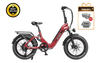
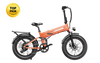


Match Your Daily Route
Consider your full round trip, the hills along the way and the roads you ride. Leave a charging margin for detours rather than planning around a maximum range figure.
You are $99.00 away from Free Shipping!
🔥 Weekend Offer Ends In:
Your cart is currently empty.



 Free, Fast Shipping
 14-Day Free Trial
 2-Year Warranty


$1,499.00
45 lbs
Lightweight
85 Miles
Max Range
Sensor Switch
Torque and cadence
27.5 x 2.2"
Kenda Tire


$1,699.00
100 Miles
Tested Range
440 lbs
Max Load
Sensor Switch
Torque and cadence
Premium Tektro
Hydraulic Brakes


 Free Front Basket (Worth $89)
Great Value City E-bike for Daily Commutes.
$899.00
500W Motor
1200W Peak Power
50 Miles
Max Range
468Wh Battery
Removable Power
Front Suspension
Comfort Ride


$1,399.00
1500W
Peak Power
40/80 Miles
Max Range
330 lbs
Max Load
Dual Battery
Available

 Free Rearview Mirror (Worth $69)
Real-World Range, Built for Every Ride.
$1,199.00
1800W
Peak Power
50/100 Miles
Max Range
Full Suspension
Comfort Ride
Dual Battery
Available
Free, Fast Shipping
14-Day Free Trial
2-Year Warranty


Start with the journey you make most often. Your route, riding position, charging routine and everyday luggage matter more than any single headline specification.
Consider your full round trip, the hills along the way and the roads you ride. Leave a charging margin for detours rather than planning around a maximum range figure.
Check frame access, saddle adjustment and handlebar position. Choose a fit that feels comfortable while pedaling and manageable when stopping at intersections.
Think about where the bike will live at home and at work. If your routine includes stairs, a car rack or indoor charging, check the bike’s weight and battery access.
Make room for your work bag, groceries and other daily essentials. Check which racks, lights and fenders are included, then choose accessories that suit your routine.
Compare the details that shape daily use, from the front fork and tires to battery capacity and carrying equipment.
On smaller screens, scroll across to compare all three bikes.
| Everyday Details |
Venus
|
Hybrid
|
Cityscape 2.0
|
|---|---|---|---|
| Frame Material | 6061 aluminum alloy | 6061 aluminum alloy | Carbon steel |
| Front Fork | Rigid aluminum fork | Hydraulic suspension fork 100 mm travel |
Front suspension fork |
| Tire Size | 27.5 × 2.2 in. | 27.5 × 2.4 in. | 26 × 1.95 in. |
| Battery Capacity | 680 Wh | 864 Wh | 468 Wh |
| Brakes | Hydraulic disc brakes | Tektro hydraulic disc brakes | Dual disc brakes |
| Rear Rack | Optional | Included | Included |
Battery capacity is one part of trip planning, not a guarantee of riding distance. Terrain, assistance level, rider and cargo weight, weather and riding style all affect range. Visit each model’s product page for sizing, equipment and full specifications.

 Electric Bike Report

 TailHappyTV

 TailHappyTV
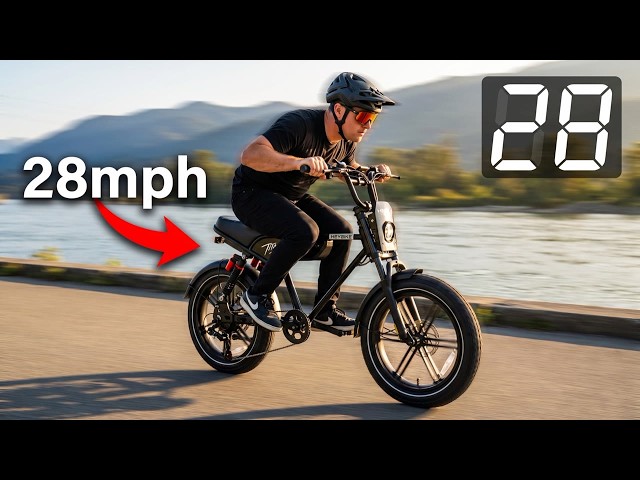
 The Bike Cave
A good commuter ebike should make everyday travel easier from the moment you leave home to the moment you arrive. Comfort, reliable braking, enough range for your regular route, practical carrying capacity and visibility all matter. At Heybike, our commuter lineup includes different combinations of lightweight designs, long-range batteries, suspension and everyday utility features to fit different routines.
Your ideal range depends on the length of your commute and how often you want to charge. For daily commuting, consider the distance of your round trip and leave some extra capacity for hills, weather, rider weight and higher assist levels. Our commuter lineup includes models with different battery capacities and claimed ranges, including options designed for longer commutes.
They can be, especially when the bike's riding position, saddle, tires and suspension match your roads. A more upright position can make city riding comfortable, while front suspension and wider tires can help smooth out potholes and rough pavement. We offer commuter ebikes with different frame and comfort configurations so you can choose based on your route.
Our electric bike collection includes commuter, folding, fat tire, step-through, and other designs for different riding needs.
Think about the features you will actually use every day. A suitable commuter ebike may benefit from reliable brakes, useful lighting, enough battery range, a comfortable riding position and practical carrying options such as a rear rack. Depending on your route, you may also want suspension, wider tires, a removable battery or a lighter frame.
Yes. A commuter ebike can also work well for longer daily routes when its range, comfort and riding position are suited to the distance. If you regularly ride farther, look for a larger battery and a comfortable setup that you can spend several hours on. Our long-range ebikes are another option for riders who want more range between charges.
They can be, but the right setup matters. Motor torque, gearing, battery capacity, rider weight and the slope of your route all affect how an ebike handles hills. If your commute includes frequent climbs, pay attention to the motor's torque and the bike's overall power delivery rather than looking at peak wattage alone.