

Carrying a child on an ebike can work well, but only when the child, seat, and bike are all ready for it. The child needs to be old enough to sit upright and wear a properly fitted helmet. The child seat or trailer needs to match the child’s size. The ebike also needs a frame or rear rack that is rated for that type of setup.
This guide covers how to choose an ebike child seat, what age and safety rules to check, which seat types are commonly used, and what to inspect before riding with a child.

Start with three checks: Is your child old enough to sit upright and wear a helmet? Is the child seat or trailer rated for your child’s height and weight? Is your ebike frame or rear rack approved for that type of seat? If any of those answers is unclear, do not ride yet. Confirm the fit with the seat manual, the bike manufacturer, or a qualified bike shop first.
Can You Have a Kid on an Electric Bike?
In many cases, yes. But age, seat fit, bike compatibility, and local rules matter more than the bike itself. A child should not ride as a passenger just because a seat can be attached to the bike.
Children under 12 months should not ride as passengers on a bicycle or ebike. We advises against carrying infants younger than 12 months in a bike seat, trailer, sidecar, or other carrier.
For children around 12 months and older, only consider a child seat or trailer if the child can sit upright without support, has enough neck strength to wear a properly fitted lightweight helmet, and meets the seat or trailer manufacturer’s height and weight limits. Age alone is not enough. If the child cannot stay seated, tolerate the helmet, or remain secured in the harness, wait.
Is It Legal to Carry Kids on the Bike Seat of an Ebike?
In many places, carrying a child on an ebike is allowed when the child is secured in a proper child seat or trailer. The details can still vary by state, city, trail system, and ebike class. Helmet rules can also vary by age and location.
In the United States, some states or cities require children under a certain age to wear a helmet. Even where the law is less strict, a child should wear a properly fitted bicycle helmet every time they ride as a passenger.
You can review Heybike’s guide to bike helmet laws by state before riding. Local rules can change, so do not rely on old information or assumptions.
What Is the Safest Way to Carry a Child on an Ebike?
The safest setup depends on the child’s size, the seat type, the bike, and the route. A good setup keeps the child stable, strapped in, away from moving wheels, and protected from sudden shifts in balance.
Carrying a child changes how an ebike handles. The bike may feel heavier when starting, turning, braking, and stopping. Practice in a quiet area before riding on streets, bike lanes, or shared paths.
Rear-Mounted Child Seats
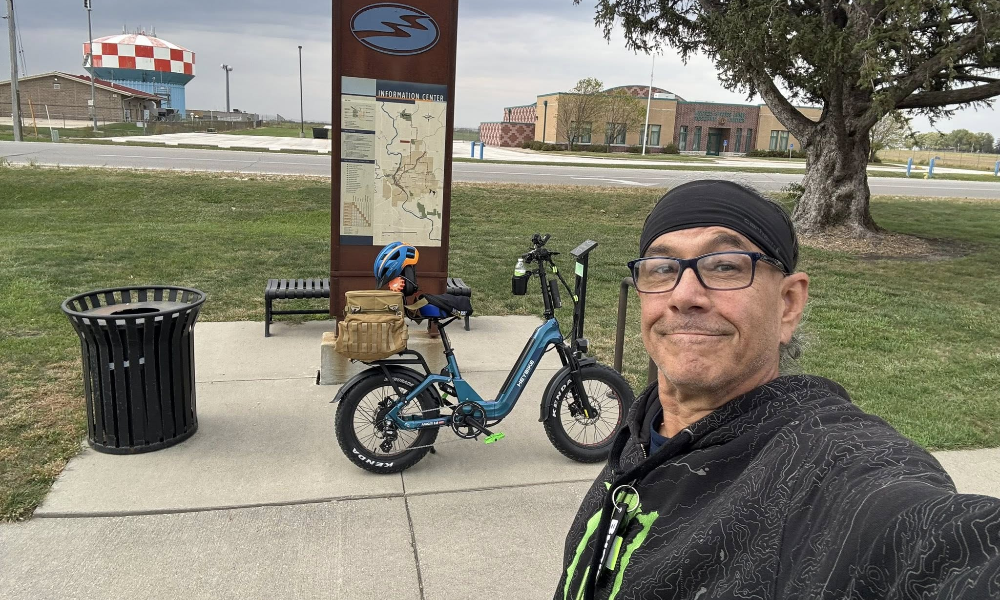
Rear-mounted child seats are common because they keep the child behind the rider and usually interfere less with steering than front-mounted seats. Depending on the seat design, a rear-mounted seat may attach to the frame or to a rated rear rack.
Before using one, check the seat’s weight limit and confirm that your ebike rack is approved for a child seat. Not every rear rack is built for this. A rack that can carry bags or groceries is not automatically safe for carrying a child seat.
A rear-mounted child seat should have a secure harness, footrests, foot straps, and guards that keep the child’s feet and hands away from the spokes.
Child Trailers
A child trailer is pulled behind the bike and has its own frame, wheels, seating area, and harness. Some families prefer trailers because they sit lower to the ground and can feel more stable than a seat mounted high on the bike.
If you use a trailer, check that the hitch is compatible with your ebike and attached securely. Keep the trailer clear of loose objects, fasten the harness, and avoid routes with tight turns, rough surfaces, steep hills, or heavy traffic.
Front-Mounted Seats
Front-mounted seats place the child in front of the rider. They can make it easier to talk with the child, but they may also affect steering, knee clearance, and balance. They are not a good fit for every ebike frame.
Only use a front-mounted seat if the seat manufacturer says it is compatible with your bike’s frame and your child meets the seat’s size and weight requirements. Do not use one if it blocks your ability to steer, brake, pedal, or dismount safely.
Shotgun-Style Seats
A shotgun-style seat sits between the rider and the handlebars. It is usually meant for older toddlers or young children who can sit steadily and follow simple instructions. It is not suitable for babies or children who cannot stay seated, hold position, or keep their feet clear of moving parts.
Before using this style of seat, check the seat’s age and weight limits, the mounting method, and whether it gives you enough room to steer, brake, and get off the bike safely.
How to Choose an Electric Bike for a Child Seat
If you are shopping for an electric bike with a child seat in mind, start with structure, not speed. A powerful motor or long range can be useful, but child carrying depends more on rack rating, total payload, braking, stability, and visibility.
Look for these details before buying:
- A rated rear rack: The rack should clearly state its weight limit and whether it is compatible with child seats.
- Enough total payload capacity: Add the rider, child, child seat, cargo, and accessories. The total must stay within the bike’s limit.
- Strong brakes: Carrying a child adds weight. Hydraulic disc brakes or high-quality disc brakes are worth prioritizing.
- Stable handling: A balanced frame, suitable tires, and predictable steering matter more than top speed.
- Good visibility: Headlights, taillights, brake lights, turn signals, and reflectors help other road users see you.
- An easy-mount frame: A step-through or easy-mount frame can make it easier to get on and off without swinging a leg near the child seat.
A Heybike Model to Check for Child Seat Compatibility
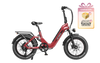
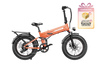
If you are choosing a Heybike model with child-seat compatibility in mind, the Heybike Hybrid is worth checking first. Its product page lists a rear rack rated for up to 66 lbs and compatible with child seats. It also lists a 440 lb payload capacity, hydraulic disc brakes, front and rear lighting with turn signals, and UL 2849 and UL 2271 certification.
Those details matter because a child seat adds both weight and handling demands. A child seat is not shown as an included item on the Hybrid product page, so choose a compatible child safety seat separately and confirm the mounting method, rack rating, and child seat limits before riding.
How to Ride Safely With Your Child
Once you have the right bike and seat, riding habits matter just as much as the equipment. Start slow, keep routes simple, and check the bike before every ride.
Check the Ebike Before Riding
Perform a bike safety check before carrying a child. Extra passenger weight makes small problems more serious, especially with brakes, tires, and loose parts.
- Check tire pressure: Use the recommended tire pressure for your bike, tire, rider weight, and load.
- Test the brakes: Make sure both brakes respond cleanly before you ride.
- Check the child seat mount: Confirm that all bolts, clamps, straps, and harness points are secure.
- Check the wheels: Make sure the child’s feet, straps, bags, and clothing cannot touch the spokes.
- Check the chain and drivetrain: A clean, working drivetrain helps the bike respond predictably.
Wear a Properly Fitted Helmet
Your child should wear a bicycle helmet that fits their head size and meets applicable safety standards. The helmet should sit level, cover the forehead, and stay secure without sliding forward or backward.
Do not use an adult helmet on a small child. Do not ride if the helmet is too loose, too heavy, cracked, or difficult for the child to tolerate.
Choose a Suitable Child Bike Seat
Match the child seat to your child and your bike. Check the seat’s age range, weight limit, mounting style, harness system, foot protection, and compatibility notes.
A good child seat should hold the child securely without forcing an awkward posture. It should also keep the child’s feet away from the wheel and give enough support if the child gets tired during the ride.
Check Child Seat Compatibility Before Buying
- Check the child seat’s age, height, and weight limits.
- Check whether the seat mounts to the frame or a rear rack.
- Confirm the ebike rear rack is rated for a child seat, not just cargo.
- Make sure the child’s feet cannot reach the spokes or rear wheel.
- Check that the seat does not block lights, reflectors, brake cables, or your ability to mount the bike.
- Confirm that the total rider, child, seat, and cargo weight stays within the bike’s payload limit.
Use the Harness Every Time
Most child seats use a 3-point or 5-point harness. Use it every time, even for short rides. The harness should be snug but not uncomfortable, and the buckle should be difficult for the child to open on their own.
Check foot straps as well. Loose feet near moving spokes are a common and avoidable risk.
Practice Before Riding on the Road
Before riding in traffic, practice starting, stopping, turning, and dismounting in a quiet area. The bike will feel different with a child seat because the extra weight changes balance and braking distance.
Practice until you can stop smoothly, put a foot down, and get off the bike without tilting it toward the child seat.
Choose Safe Routes
Choose calm streets, bike paths, and flat routes when riding with a child. Avoid busy roads, steep hills, sharp turns, rough trails, and poor weather. If the route feels stressful when riding alone, do not use it with a child passenger.
Keep the first few rides short. This gives the child time to get used to the seat and gives you time to learn how the bike handles with the extra weight.
Reduce Your Speed
Ride slower than you would alone. Extra passenger weight changes braking distance and balance, especially at stops and turns.
Brake earlier, turn wider, and avoid sudden movements. A smooth ride is safer and more comfortable for the child.
What Are the Safety Features to Look for in an Ebike When Transporting Kids?
When choosing an ebike for child carrying, prioritize control and visibility over speed. The most useful safety features include:
- Hydraulic or high-quality disc brakes
- A strong frame and rated rear rack
- Stable tires suited to your riding surface
- Front and rear lights
- Brake lights or turn signals, if available
- A riding position that lets you stop and put a foot down easily
- A rearview mirror if you ride near traffic
A mirror can help you monitor traffic behind you, but it should not replace shoulder checks or careful route choice.
When You Should Not Carry a Child on an Ebike
Do not carry a child on an ebike if the setup is uncertain or the ride conditions are poor. Wait or choose another form of transportation if:
- The child is under 12 months old.
- The child cannot sit upright or wear a helmet properly.
- The child seat does not clearly fit the bike.
- The rear rack or frame is not rated for a child seat.
- The brakes, tires, chain, or seat mount need repair.
- The route has heavy traffic, steep hills, rough surfaces, or poor visibility.
- The weather makes braking or handling less predictable.
FAQ
Can you put a child seat on an electric bike?
Yes, but only if the ebike and child seat are compatible. Check the frame, rack rating, payload limit, mounting method, and the child seat manufacturer’s instructions before riding.
What age can a child ride in an ebike child seat?
Children under 12 months should not ride as passengers on a bicycle or ebike. For older children, they should be able to sit upright without support and wear a properly fitted lightweight helmet.
Is it legal to carry a child on an ebike?
It depends on your local laws, helmet rules, passenger rules, and ebike class. Check your state and city regulations before riding with a child.
Is a rear child seat or trailer better for an ebike?
Many families prefer rear-mounted seats or child trailers. A trailer sits lower to the ground, while a rear seat keeps the child closer to the rider. The better option is the one that fits your child, bike, route, and local rules.
What should you check before riding with a child?
Check tire pressure, brakes, the child seat mount, harness, foot straps, wheel clearance, helmet fit, and the route. Practice starting and stopping before riding near traffic.
Which Heybike model should I check for child seat compatibility?
The Heybike Hybrid is currently listed with a rear rack rated for up to 66 lbs and compatible with child seats. Always confirm child seat fit before purchase and installation.
Transport Your Children on Your Electric Bike Safely
Riding with a child on an ebike can work, but the setup has to be right. Start with the basics: a child who is old enough to ride, a properly fitted helmet, a compatible child seat, a bike rated for the load, and a route that does not force you into heavy traffic or sharp maneuvers.
Do not treat a child seat as a universal accessory. Confirm the fit, check the bike before every ride, use the harness every time, and ride slower than usual. A careful setup matters more than adding more accessories.


Share:
Celebrate Heybike 5th Anniversary: Ride Happier, Save More, and Win Free Ebikes
How to Make Your Ebike Faster: Top 10 Methods to Boost Speed