


Are you yearning for an adventure that combines the thrill of cycling with the immersive experience of backpacking? The USA offers a wide variety of landscapes perfect for exploring on two wheels, from rugged mountain trails to scenic coastal byways.
Whether you are a seasoned rider or just starting out, the best bikepacking route depends on your distance, terrain, camping plan, water access, and how much gear you want to carry. Some routes are made for long-distance wilderness riding, while others are better for beginners who want a smoother and easier first trip.
In this guide, we’ll roll through the 10 best bikepacking routes in the USA. You’ll also learn how to compare route difficulty, where to camp, what to consider when bikepacking with an e-bike, and how to choose a route that fits your riding style.
How to Choose the Right Bikepacking Route
Before choosing a route, think about the kind of trip you want. A weekend rail trail is very different from a remote mountain route with long climbs and limited resupply stops.
For most beginners, it is better to start with a shorter route that has towns, campgrounds, water access, and simple navigation. This helps you focus on the ride instead of worrying about every small detail.
If you are planning to ride an e-bike, route planning matters even more. You need to check distance, terrain, elevation, charging access, and whether your bike can handle gravel, dirt, or rough roads.
A route with campgrounds, small towns, or bike-friendly lodging is usually easier for e-bike bikepacking. A remote route can still be possible, but you will need a stronger plan for battery range, charging, tools, food, and water.
Best Bikepacking Routes in the USA: Quick Comparison
Here is a simple comparison to help you choose the best bikepacking route for your experience level and riding goal.
| Route | Best For | Distance | Difficulty | Main Terrain | E-Bike Note |
|---|---|---|---|---|---|
| Great Divide Mountain Bike Route | Long-distance wilderness adventure | Over 2,700 miles | Very hard | Gravel, dirt roads, mountain passes | Only for well-planned trips with careful charging and resupply |
| Katy Trail | Beginners and relaxed touring | Nearly 240 miles | Easy to moderate | Rail trail, crushed limestone | One of the easier options for e-bike riders because towns and lodging are easier to find |
| Colorado Trail | Mountain riders and high-elevation challenge | Over 500 miles | Very hard | Singletrack, mountain trails | Not ideal for casual e-bike riders because of elevation, rough terrain, and access limits |
| Arizona Trail | Desert adventure and rugged scenery | About 800 miles | Hard | Desert, rock, forest, mountain terrain | Water and charging planning are essential |
| Oregon Outback | Gravel riders who want solitude | About 360 miles | Hard | Remote gravel and high desert | Possible with careful battery and resupply planning |
| Green Mountain Gravel Growler | Gravel riding, small towns, and fall colors | About 250 miles | Moderate to hard | Gravel roads, rolling hills | Good for experienced e-bike riders who plan lodging and charging stops |
| Blue Ridge Parkway | Scenic road touring | 469 miles | Moderate to hard | Paved scenic roadway | Good road option, but climbs can drain battery faster |
| Idaho Hot Springs Mountain Bike Route | Hot springs and remote mountain riding | About 500 miles | Hard | Gravel, forest roads, mountain terrain | Better for advanced riders with strong route planning |
| San Juan Hut System | Hut-to-hut mountain adventure | Varies by route | Hard | Mountain roads and trails | Huts reduce gear load, but charging should be confirmed before the trip |
| Lost Coast Bikepacking Area | Remote coastal scenery | Varies by route | Moderate to hard | Coastal roads, gravel, rugged terrain | Check access, trail rules, weather, and charging before riding |
1. Great Divide Mountain Bike Route

Spanning over 2,700 miles, the Great Divide Mountain Bike Route is one of the crown jewels of American bikepacking. Winding through the spine of the Rockies, it offers a once-in-a-lifetime ride packed with challenge, solitude, and epic scenery.
This legendary route is best for riders who want a true wilderness adventure. It is not the easiest place to start, but it is one of the most rewarding routes for experienced bikepackers.
Location: Spanning from Banff, Alberta, Canada, to Antelope Wells, New Mexico, and passing through Montana, Idaho, Wyoming, and Colorado.
Where to Camp: Dispersed camping in national forests, primitive campsites, and small-town RV parks along the route.
Best For: Experienced riders who want a remote, long-distance challenge.
E-Bike Tip: Plan charging and resupply carefully. This route has long remote sections where power access may be limited.
Highlights:
- Crossing the Continental Divide multiple times with spectacular mountain views.
- Passing through small towns for rest, food, and resupply.
- Riding through diverse terrain, from rugged mountains to quiet valleys.
2. Katy Trail
The Katy Trail is a great choice for riders who want a more relaxed bikepacking experience. Stretching nearly 240 miles along the Missouri River, it is one of the longest rail-trail routes in the country.
This route is smooth, scenic, and beginner-friendly. You can ride through charming towns, forests, farmlands, and river views without dealing with the same level of remoteness as a backcountry trail.
Location: Running from Clinton to Machens, Missouri, along the former Missouri-Kansas-Texas Railroad.
Where to Camp: State parks, private campgrounds, and bike-friendly B&Bs. These stops can also make planning easier if you need to think about charging electric bikes.
Best For: Beginners, relaxed touring, and riders who want towns and services along the way.
E-Bike Tip: This is one of the better options for e-bike bikepacking because lodging, food, and charging stops are easier to plan than on remote routes.
FURTHER READING: Complete Guide on Exploring Bikepacking with Ebikes
Highlights:
- Stunning river views and diverse wildlife.
- Historic towns with local shops, food, and lodging.
- Convenient access to wineries, parks, and rest stops.
3. Colorado Trail
High elevation, jaw-dropping views, and rugged terrain make the Colorado Trail a true test of endurance. Spanning over 500 miles through the Rocky Mountains, this trail is one of the best bikepacking routes for riders who want serious adventure.
Be ready for steep climbs, dramatic landscapes, and pure alpine riding. This is not a casual route, so good fitness, route planning, and mountain riding experience are important.
Location: Traversing Colorado from the outskirts of Denver near Littleton to Durango in the southwest.
Where to Camp: Numerous campgrounds and backcountry sites are available along the trail, with designated areas for camping.
Best For: Mountain bikers who are comfortable with elevation, technical terrain, and long climbs.
E-Bike Tip: Check local access rules before planning. Some trail sections may have restrictions, and the elevation can drain a battery much faster than flat terrain.
Highlights:
- Elevations ranging from about 5,500 to over 13,000 feet.
- Wildflower meadows, dense forests, and high mountain views.
- Opportunities for wildlife sightings, including elk, deer, and birds.
4. Arizona Trail

The Arizona Trail offers an epic journey across deserts, canyons, mountains, and forests. Stretching about 800 miles from the Mexican border to the Utah state line, it gives riders a unique view of the Grand Canyon State.
This route is beautiful, but it requires serious preparation. Water, heat, exposure, and changing terrain should all be part of your plan before you ride.
Location: From the Mexico border near Sierra Vista to the Utah border near Kanab, Arizona.
Where to Camp: Camping along the Arizona Trail requires careful planning because water access and desert conditions can change quickly.
Best For: Riders who want desert adventure, rugged scenery, and a physically demanding route.
E-Bike Tip: Battery range, water supply, and heat management are critical. Do not assume you can charge easily in remote sections.
Highlights:
- Crossing multiple ecosystems, from desert to mountain forest.
- Saguaro-dotted desert trails and red rock views.
- High-altitude riding through pine-covered mountains.
5. Oregon Outback
The Oregon Outback is a remote gravel route that cuts through Oregon’s high desert. At about 360 miles, it is one of the best bikepacking routes for riders chasing wide-open skies, quiet roads, and rugged charm.
This route feels peaceful and wild, but that also means you need to be ready for long distances between services. A good repair kit, water plan, and backup route information can make the ride much safer.
Location: Running from Klamath Falls to the Columbia River Gorge in Oregon.
Where to Camp: Remote forest roads, BLM land, and small-town campgrounds.
Best For: Gravel riders who want solitude and wide-open landscapes.
E-Bike Tip: A fat tire or gravel-capable e-bike can feel more stable on loose surfaces, but you still need to plan charging stops before the trip.
Highlights:
- Historic trestle bridges and railbeds.
- Volcanic terrain, forests, desert landscapes, and open country.
- Views of the Cascade Mountains and expansive high desert.
6. Vermont’s Green Mountain Gravel Growler

Vermont’s Green Mountain Gravel Growler is a roughly 250-mile loop that uses scenic gravel roads through the Green Mountains. It winds past covered bridges, rivers, small towns, and local breweries.
This route blends natural beauty with a fun local culture. If you time it right, fall foliage can make the ride even more memorable.
Location: A loop in central Vermont, starting and ending in Waterbury.
Where to Camp: State park campgrounds, farm stays, and brewery-adjacent lodging.
Best For: Gravel riders who want hills, small towns, local food, and seasonal scenery.
E-Bike Tip: This route can work well for experienced e-bike riders if lodging and charging stops are planned in advance.
Highlights:
- Charming New England towns and culture.
- Local breweries and food stops along the route.
- Vibrant fall foliage during the right season.
7. The Blue Ridge Parkway
The Blue Ridge Parkway is a stunning 469-mile scenic byway through the Appalachian Mountains. Known for its mountain views, overlooks, forests, waterfalls, and wildflowers, it is one of the most scenic bike touring routes in the country.
This route is paved, which makes it different from rough gravel or singletrack bikepacking routes. However, the climbs can still be challenging, so do not underestimate it.
Location: Running along the crest of the Blue Ridge Mountains, connecting Shenandoah National Park in Virginia to Great Smoky Mountains National Park in North Carolina.
Where to Camp: Campgrounds and picnic areas are available along the parkway, including camping options in nearby national parks.
Best For: Riders who want scenic road touring, mountain views, and a smoother surface.
E-Bike Tip: This can be a good paved option for e-bike riders, but long climbs can reduce battery range. Plan charging and daily mileage carefully.
Highlights:
- Panoramic vistas and overlooks for photos.
- Visitor centers, historic sites, and cultural stops.
- Smooth and winding pavement for scenic touring.
8. Idaho Hot Springs Mountain Bike Route

The Idaho Hot Springs Mountain Bike Route is a 500-mile journey through Idaho’s rugged wilderness. It combines mountain riding, quiet gravel roads, forest routes, and the chance to relax in natural hot springs.
This route is perfect for bikepackers who want adventure and recovery in the same trip. It also requires smart planning because services and charging options may be limited in remote areas.
Location: Stretching from Boise to Idaho City and looping through the Sawtooth National Forest.
Where to Camp: Forest service campgrounds, primitive hot spring sites, and dispersed backcountry spots.
Best For: Riders who want remote mountain scenery, hot springs, and a rugged multi-day trip.
E-Bike Tip: This route is better for advanced riders. Confirm daily distance, charging options, and road conditions before leaving town.
Highlights:
- More than 20 soakable hot springs along the route.
- Quiet gravel roads through dramatic wilderness.
- Views of the Sawtooth and Salmon River Mountains.
9. San Juan Hut System
The San Juan Hut System offers a different kind of bikepacking experience. Instead of carrying every piece of camping gear, riders can use a network of huts for shelter and basic amenities.
This makes the trip more comfortable, but the riding is still challenging. Expect mountain terrain, changing weather, and big views between Colorado and Utah.
Location: From Telluride, Colorado, to Moab, Utah, or the reverse direction.
Where to Camp: Huts are available for overnight stays, with designated camping areas nearby.
Best For: Riders who want a hut-to-hut mountain route with less gear to carry.
E-Bike Tip: Huts can reduce your gear load, but do not assume charging is available. Confirm power access before planning an e-bike trip.
Highlights:
- Challenging mountain biking.
- Hut-to-hut riding with less camping gear.
- Spectacular mountain and canyon landscapes.
10. Lost Coast Bikepacking Area
The Lost Coast area in Northern California is known for rugged coastline, dramatic cliffs, quiet roads, and remote scenery. It can be a memorable place for adventurous riders who want ocean views and a wilder coastal experience.
Before planning a ride here, check current route access, permits, weather, and local land rules. Some sections in the region may be better suited for hiking or may have bike restrictions, so it is important to confirm your exact route before you go.
Location: Humboldt County, Northern California, near the King Range National Conservation Area.
Where to Camp: Primitive beach campsites, BLM land, and nearby forest clearings, depending on the route and current access rules.
Best For: Riders who want remote coastal scenery and are comfortable planning around changing conditions.
E-Bike Tip: Check access rules, charging options, and weather carefully. Coastal conditions can change quickly, and remote areas may have limited services.
Highlights:
- Dramatic coastal cliffs and black sand beaches.
- Remote roads, rugged terrain, and quiet scenery.
- Hidden coves and coastal views for exploration.
Can You Go Bikepacking with an E-Bike?
Yes, you can go bikepacking with an e-bike, but you need to plan more carefully than you would for a short city ride. Range, charging, terrain, and gear weight all matter.
For e-bike bikepacking, easier routes usually include rail trails, gravel roads, campgrounds, small towns, and places where you can charge overnight. Remote mountain routes can be much harder because steep climbs and rough terrain use more battery power.
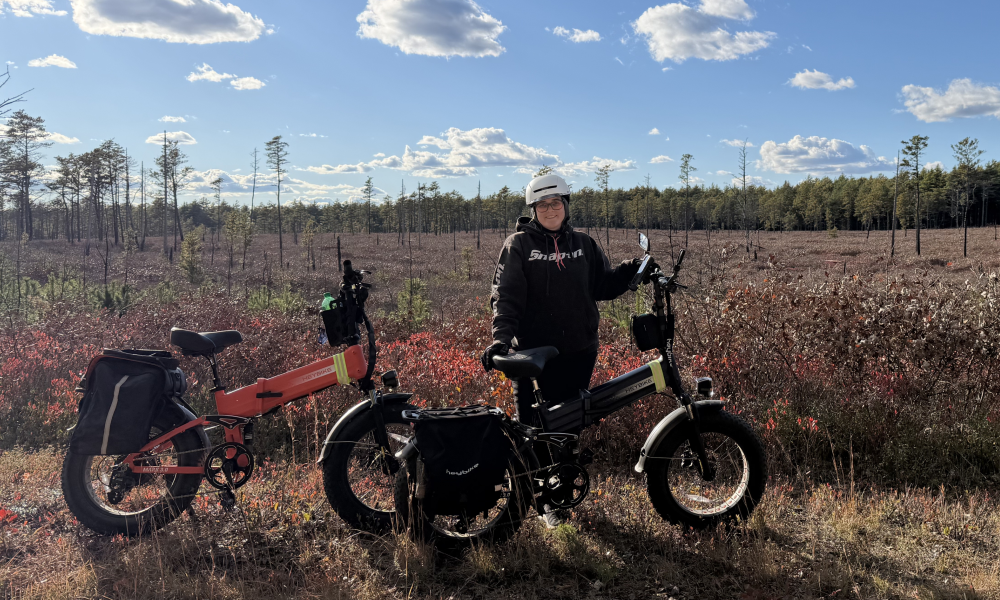
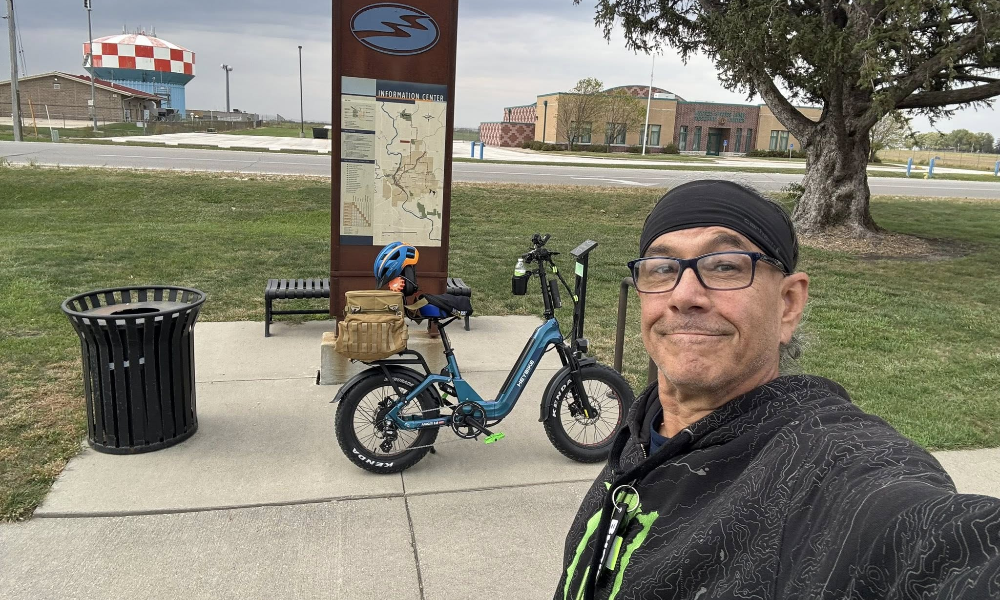
If your route includes gravel, dirt, or rough roads, a fat tire e-bike can add more stability and comfort. If you need easier transport for RV travel, apartments, or car storage, a folding e-bike may be a practical option.
Before you ride, check your estimated range, daily mileage, charging stops, and total gear weight. You can also read Heybike’s complete guide on exploring bikepacking with e-bikes for more planning tips.
What Should You Pack for a Bikepacking Trip?
Your packing list depends on the route, season, weather, and how remote your trip will be. For most rides, start with water, food, tools, repair supplies, lights, layers, a first-aid kit, and a reliable navigation setup.
If you are using an e-bike, add your charger, battery key, and a charging plan. For longer trips, you may also want a spare tube, tire repair kit, pump, multi-tool, and extra brake pads.
Storage also matters. A rear rack, pannier bag, frame bag, or handlebar bag can help keep your gear balanced and easier to reach. If you are still building your setup, start with the basics and avoid overpacking on your first trip.
For a more complete packing plan, check Heybike’s bikepacking checklist before you ride.
Common Mistakes to Avoid on Your First Bikepacking Route
Choosing a Route That Is Too Remote
Remote routes can be beautiful, but they are not always the best choice for your first trip. Start with a route that has towns, water, campgrounds, and clear navigation.
Ignoring Elevation
A short route can still feel hard if it has long climbs. Elevation affects your body, your speed, and your e-bike battery range.
Packing Too Much Gear
Extra gear adds weight and makes the bike harder to handle. Pack what you need, but avoid carrying items you are unlikely to use.
Not Planning Charging Stops
If you ride an e-bike, do not guess your battery range. Plan where you can charge, how long it may take, and what you will do if a charging stop is not available.
Skipping a Pre-Ride Bike Check
Check your tires, brakes, chain, lights, battery, and bolts before leaving. A small issue at home can become a big problem on a remote route.
FAQs About Bikepacking Routes in the USA
What is the best bikepacking route in the USA for beginners?
The Katy Trail is one of the better bikepacking routes for beginners because it is relatively smooth, scenic, and easier to plan. It has towns, lodging, campgrounds, and services along the route, which makes the first trip feel less stressful.
Can you bikepack with an electric bike?
Yes, you can bikepack with an electric bike. The key is planning your route around battery range, charging access, terrain, and gear weight. Routes with towns, campgrounds, and lodging are usually easier for e-bike bikepacking.
What type of bike is best for bikepacking routes?
The best bike depends on the route. Gravel bikes work well for smoother mixed surfaces, mountain bikes are better for rough trails, and fat tire e-bikes can help with comfort and stability on gravel, dirt, or uneven roads.
How many miles should a beginner bikepack in a day?
Many beginners start with 20 to 40 miles per day, depending on fitness, terrain, weather, and gear weight. It is better to choose a comfortable distance than to rush through your first trip.
Where can you camp while bikepacking in the USA?
Bikepackers may camp at state parks, national forest sites, private campgrounds, BLM land, or designated backcountry areas. Rules vary by location, so always check current camping regulations before your trip.
What should you pack for a bikepacking trip?
Bring water, food, layers, lights, repair tools, a first-aid kit, navigation, and camping gear if needed. E-bike riders should also pack a charger and plan charging stops before the route begins.
Conclusion
These 10 best bikepacking routes across the USA offer unforgettable adventures for many types of riders. Some routes are smooth and beginner-friendly, while others are remote, rugged, and built for experienced bikepackers.
Before choosing your route, think about distance, terrain, camping, water, resupply, and charging access if you ride an e-bike. A good plan makes the ride safer, smoother, and more enjoyable.
So gear up, choose your route, and get ready for a joyful ride. And if you are planning your next adventure with an electric bike, explore Heybike electric bikes to find a model that fits your terrain, travel plans, and riding style.

Share:
Ebike Helmet vs Bike Helmet
6 Best Beginner Electric Bikes in 2026