


A comfortable saddle is essential for all cycling disciplines since, unless you are a downhill mountain biker, BMX, or trials rider, you spend a lot of time on it. Whether you are a road, gravel, or mountain biker, we will help you locate the right saddle for your riding demands.

Knowing the Components of an Electric Bicycle Seat
Knowing how to identify saddle parts allows you to discuss seat alternatives or adjustments with bike shop professionals, informing them exactly what you want and need. The following are the essential components of a bike seat:
Seat Base
The seat base, also known as the chassis, is a sturdy basis that acts as the saddle's framework. It regulates the bike seat's flexibility and shape. The material for a bike seat base can be carbon fiber, reinforced plastics, or plastic.
Padding
Seats may have foam or gel padding. Gel cushioning conforms well to the shape of the rider. The foam gives higher support and resists becoming too compacted too rapidly. Since padding can cause pressure points when it compresses while cycling, some riders would rather ride without it.
Cover
The area of the saddle where you sit is known as the cover. Cotton, synthetic fabrics, or leather are possible materials for seat covers. The most popular materials are synthetics because they are lightweight and require little upkeep.
Rails
Rails secure the e-bike seat to a pre-installed post clamp. You may adjust your position by moving the saddle forward and backward using the rails. Materials for rails include carbon fiber, titanium, steel, and alloys. Although carbon fiber is the lightest and best at absorbing shock, it is also the priciest.
Clamp
The conventional seatpost clamp, sometimes called a seatpost collar, is a metal ring that surrounds the top of the seat tube of the bike and tightens using an Allen bolt to secure the saddle.
Suspension
You may significantly enhance the amount of flexing your seatpost by adding a suspension. It lessens the impact of large strikes from the road (such as bumps and potholes) and lessens the transfer of high-frequency road vibrations from your bike to your body.
Cutout or Groove
Cutouts are the areas where material has been removed from the saddle. The extra room might promote blood flow and relieve pressure on your thighs and backside. If you usually have a numb butt when cycling, a saddle with pressure-relieving cutouts might be just what you need.
How do I Find the Right Saddle Size for Me?
You must first measure your sit bones to determine your size. Numerous e-bike stores may assist you with saddle fitting and offer the necessary tools. Saddle pressure mapping is a feature that some e-bike stores even provide. They can tell you your e-bike saddle fit and the pressure spots on a saddle.
Take a piece of aluminum foil and lay it over a soft surface to measure your sit bones.
- Sit on the foil and take a moment to get into riding posture.
- Get up. There should now be two indentations in the delicate foil cast of your rear end. These are your sit bones' markings.
- You can determine the breadth of your sit bones by measuring the distance between the centers of these two indentations.
Types of Bike Seats Based on Riding Style
Comfort Seat for Casual Riding
For recreation riders who ride for daily reasons, such as commuting or exercise, comfortable bike seats are perfect. These bike seats put comfort first, featuring a larger saddle and lots of cushioning.
Touring Seat for Long-Distance Riding
One of the main worries while long-distance riding is chafing (pain!). If the bike saddle is overly wide, there is a higher chance that the rider's inner thighs will rub against it. Long-distance riders could favor a thinner touring seat. An extended ride might also be more pleasant with lots of padding. Given that leather adapts to your body over time, it can be a smart investment.
Racing Seat for Lightweight and Aerodynamic
When cycling on the road, speed comes first. Racing bike riders typically ride on paved terrain, so they do not need a lot of cushioning to cushion the impact of bumps and jumps. Racing bike saddles are often lightweight, which helps the rider not feel burdened. In addition, they are slightly longer.
Pear Shaped Seat for Mountain Biking
Mountain bikers often change positions during a ride; for instance, they might get out of the saddle to climb uphill. Because mountain bikes require riders to move into different stances, most have pear-shaped seats.
T-shaped Seat for Road Cycling
A bike saddle with a T shape has a very distinct appearance. The long, thin front abruptly transitions into the broad back end. Those who ride on the road use saddles with a T shape.
Troubleshooting Common Ebike Saddle Problems
It probably requires lubrication if the creak is coming from your seat post rather than your saddle.
- Dirt, such as sand or grit, that gets between your seatpost and clamp or seat tube is frequently the cause of a squeaking Seatpost. Clean the inside and add a layer of assembly paste between the components.
- A saddle that is overly firm or too flat can also cause saddle pain. To troubleshoot this, consider purchasing a gel-based comfort saddle or a leather saddle. Alternatively, a good pair of cycling shorts can assist in reducing saddle pain caused by too much pressure on the bone structure while sitting.
How to Adjust Your Ebike Saddle
- To begin, place your bike up against a sturdy item, such as a giant tree trunk.
- To stop the bike from going, squeeze the brake lever.
- Put the bike on. When you push the pedals down, you should be able to keep your knee slightly bent and still stay in contact with the pedals because the saddle should be low enough.
- It should not be possible for you to stand on the ground. Saddle up higher if you can.
- This is where you should begin. To get the ideal fit, go up one centimeter at a time from here.
Discover Heybike Electric Bikes with Ergonomic Seat
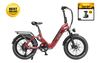
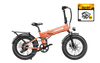
Select the e-bike model that best suits your riding style from the Mars 2.0 and Explore models. The Mars 2.0 folding ebike is best for daily commutes, while the Explore is a fat tire bike that can handle off-road riding. Heybike knows that a saddle's comfort can make or break your ride, so we do not cut corners on craftsmanship.



Share:
How to Choose The Best Cargo E-Bike for Your Families
Understanding Electric Bike Components and Their Durability
1 comment
Comfort and durability are key, and it’s great to see how different seat types can enhance the riding experience. I especially appreciate the breakdown of factors like seat material and design. This will definitely help anyone looking to upgrade their bike setup.