

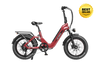
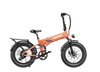

The Heybike Mars 3.0 is finally here, and it has riders asking: Should I upgrade from Mars 2.0? If you are someone who rides every day, carries groceries or gear, or enjoys weekend trail adventures, knowing the real differences can help you decide wisely.
This comparison focuses on ride feel, comfort, safety, tech features, and practical daily use. We’ll look beyond just numbers and specs. The goal is to give you a clear sense of what it feels like to ride, how it handles different terrain, and who benefits most from the upgrade.
Whether you use your e-bike for city commuting, casual cruising, or longer weekend rides, this guide to Heybike Mars 3.0 vs Mars 2.0 will make it simple to understand. We’ll keep it practical—showing what you’ll actually experience, not just what’s written on a spec sheet.
Watch the Full Demo: Mars 3.0 in Action
What you’ll learn from the video:
- 0:30 – 0:55 | Exterior & Color — Mars 3.0 has a glossy black finish and updated color options. Mars 2.0 comes in matte black, which is simpler and less shiny.
- 0:55 – 1:15 | Battery Location — Mars 3.0 has an externally mounted battery that’s easy to access and remove. Mars 2.0 has an internal battery hidden in the frame, which looks clean but is less convenient for swapping or charging.
- 1:15 – 1:40 | Carrying Capacity — Mars 3.0 supports up to 440 lbs, while Mars 2.0 supports 330 lbs.
- 1:40 – 2:00 | Display — Mars 3.0 has an upgraded TFT display showing speed, battery level, gear, and PAS level.
- 2:00 – 2:35 | Suspension — Mars 3.0 has dual suspension (front and rear) with a Horst Link rear design. Mars 2.0 has front suspension only.
- 2:35 – 3:20 | Pedal Assist — Mars 3.0 uses a torque sensor, while Mars 2.0 uses a cadence sensor.
- 3:20 – 5:34 | Security & Gearing — Mars 3.0 adds NFC card unlock or code input and an 8-speed Shimano shifter. Mars 2.0 has a 7-speed Shimano shifter. Both bikes can reach a top speed of 28 mph.
- 5:35 – 6:20 | Price — The added cost covers full suspension, higher payload, torque sensor, upgraded display, premium finish, and security features.
Quick Snapshot: Mars 2.0 vs Mars 3.0 in One Paragraph
Mars 2.0 is a solid folding fat-tire e-bike for city rides and short trips, with front suspension, a cadence sensor, and 7-speed gearing. Mars 3.0 upgrades to full suspension, a torque sensor, 8-speed gearing, a higher payload, a better display, and NFC unlock. Overall, Mars 3.0 feels smoother, stronger, and better suited for longer rides, carrying more weight, or riding on rough roads.
What’s Actually New in Mars 3.0
Mars 3.0 brings several noticeable upgrades over Mars 2.0:
- Torque Sensor — Replaces the cadence sensor for a more natural, responsive pedal assist feel.
- Full Suspension — Front + rear suspension, with a Horst Link rear design to smooth out bumps.
- TFT Display + NFC Start — Shows speed, battery, gear, and PAS level, plus secure unlocking.
- Higher Payload — 440 lbs on Mars 3.0 vs 330 lbs on Mars 2.0.
- Shimano 8-Speed — More gears for smoother pedaling and better control vs 7-speed on Mars 2.0.
Design & Build Updates: Foldability, Finish, and Practical Details
Colors & Aesthetics
Heybike Mars 3.0 comes in a glossy black finish that looks modern and premium. It stands out with a more polished look compared to Heybike Mars 2.0, which has a matte black finish. The 3.0 feels more stylish and new, while the 2.0 is simple and practical.
Frame & Folding System Improvements
The folding system on Mars 3.0 feels easier and smoother to use. Folding and unfolding feels stable and reliable—great for apartments, small storage spaces, or transporting the bike in a trunk or RV. Mars 2.0 works fine, but its folding can feel a bit less smooth and may take more effort.

Payload, Fit, and Everyday Carry
Mars 3.0 can handle up to 440 lbs, allowing heavier riders, passengers, or extra gear like commuting bags, groceries, or weekend supplies. Heybike Mars 2.0 is limited to 330 lbs. The extra capacity on Mars 3.0 makes it more flexible for real-world daily use.
Comfort Upgrade: Front Suspension vs Full Suspension
Mars 2.0 Comfort Basics
Mars 2.0 has front suspension only, which helps absorb bumps at the front wheel. City streets feel smoother, but the rear remains stiff—so you can still feel bumps behind you. It works well for short trips and smoother roads, but longer rides or rough streets can feel less comfortable.
Mars 3.0 Full Suspension + Horst Link
Mars 3.0 adds rear suspension with Horst Link, meaning both front and rear wheels absorb bumps. Potholes, curbs, and rough paths feel easier, and the bike is more stable overall. On longer rides, you feel less fatigue, and your gear stays safer because impacts are absorbed by the bike.
Real-World Differences
Over uneven roads, curbs, or trail bumps, Mars 3.0 is noticeably more comfortable. Riders feel less jolt, and cargo doesn’t bounce as much. Mars 2.0 can feel stiffer on back roads or trails, while 3.0 handles them with more ease.
The Biggest Ride-Feel Change: Torque Sensor vs Cadence Sensor
How Cadence Sensors Feel on Stop-and-Go Streets
Mars 2.0 uses a cadence sensor, which starts motor assist when your pedals move. This can feel a little jerky or delayed, especially when stopping and starting frequently in traffic. You may notice a small lag or a sudden surge when the motor kicks in.
Why Torque Sensor Feels More “Natural”
Mars 3.0 uses a torque sensor, reacting to how hard you push on the pedals. Pedal harder and the motor gives more help; pedal lightly and it gives less. This feels smooth and easy to control—especially on hills, starts, or crowded streets—making the bike feel more like an extension of your legs.
Smart Features & Security: NFC Start, Display, and App Controls
TFT Display + NFC Start-Up
Mars 3.0 comes with a color TFT display showing speed, battery level, pedal assist, and gears. You can unlock the bike using an NFC card or numeric code. Mars 2.0 has a simpler display and doesn’t include NFC unlock.

PIN / App Unlock & Ride Settings
You can set a personal PIN code or use the app to adjust certain ride settings. This helps if multiple people share the bike. You can control speed settings, PAS preferences, and check battery status from the app.
Why This Matters
Errands, commuting, and leaving the bike in public spaces feels safer. You can unlock quickly without worrying about keys. The smart display keeps key information visible while riding, so you always know your battery, speed, and gear.
Drivetrain, Controls & Braking: What Upgraded and Why It Matters
7-Speed to 8-Speed Shimano
Mars 3.0 upgrades to an 8-speed Shimano gear system. More gears mean smoother pedaling, better hill control, and easier riding across different surfaces. Mars 2.0’s 7-speed setup is solid, but fewer gear steps can make certain climbs or fast cruising slightly less flexible.
Throttle Behavior & Class Settings
Both bikes default to Class 2, allowing throttle and pedal assist together. You can adjust PAS and throttle behavior based on local rules. Mars 3.0’s delivery feels smoother in varied situations with less “jerk.”
Brakes & Control
Mars 3.0 uses hydraulic brakes for strong, consistent stopping power—especially helpful at higher speeds, downhill, or with heavier loads. Mars 2.0 also has brakes, but the upgraded system on 3.0 feels smoother and requires less hand effort.

Mars 2.0 vs Mars 3.0 Specs Compared
Below is a simple side-by-side comparison of key specs.
| Feature | Mars 2.0 | Mars 3.0 | What It Means for You |
|---|---|---|---|
| Motor | 1800W | 1400W | Both are strong for daily riding; Mars 3.0 often feels quicker at starts or climbs. |
| Torque | 100 N·m | 95 N·m | Higher torque generally helps hill climbing and carrying extra weight. |
| Battery | 600Wh (internal) | 624Wh (external) | Mars 3.0 battery is easier to remove and offers slightly more capacity. |
| Range (claimed) | Up to 45 miles | Up to 65 miles | Mars 3.0 can go farther at lower assist levels in ideal conditions. |
| Top Speed | Up to 28 mph | Up to 28 mph | Both support Class 3 speeds for faster commuting (where allowed). |
| Suspension | Front suspension | Full suspension (front + Horst Link rear) | Mars 3.0 is significantly smoother on bumps and rough roads. |
| Sensor Type | Cadence sensor | Torque sensor | Mars 3.0 responds more naturally to pedal pressure. |
| Gearing | Shimano 7-speed | Shimano 8-speed | Extra gear range improves climbing and smooth cruising. |
| Brakes | Mechanical disc brakes | Hydraulic disc brakes | Hydraulic brakes generally stop faster with less hand effort. |
| Payload Capacity | 330 lbs | 440 lbs | Mars 3.0 supports heavier riders and more cargo. |
| Display & Security | Basic display | TFT display, NFC card, PIN, app | Mars 3.0 is more secure and easier to manage daily. |
| Weight | 75 lbs | 70 lbs | Mars 3.0 is lighter and easier to lift/store. |
Who Should Upgrade?
Choose Mars 2.0 If:
- You want a budget-friendly bike.
- You ride occasionally or mostly short distances.
- You don’t need full suspension or higher payload capacity.
Choose Mars 3.0 If:
- You want more comfort along with better control.
- You ride mixed terrain or longer distances.
- You carry more weight or want smoother starts and stops.
Best Use Cases:
- Daily commuting and weekend trail rides
- Apartment storage or RV/trunk transport
- Riders wanting extra comfort, payload, and security
FAQs: Mars 3.0 vs Mars 2.0
Is Mars 3.0 worth upgrading from Mars 2.0?
If you ride longer distances, need more comfort, or carry extra weight, Mars 3.0 is worth it. For casual city rides, Mars 2.0 works fine.
What does a torque sensor change in real riding?
It provides smoother and more natural pedal assist. Pedaling harder results in more assistance.
Is Mars 3.0 full suspension? What is Horst Link?
Yes, Mars 3.0 has full suspension (front and rear). Horst Link is a rear suspension design that helps keep the ride smoother over bumps.
How does NFC start work?
NFC uses a card or numeric code to unlock the bike instead of a key.
Can I set Mars 3.0 to Class 1 or Class 3?
Mars 3.0 defaults to Class 2. You can check local rules and the manual to adjust PAS and throttle behavior for different class settings.
Conclusion
Mars 3.0 is a major upgrade over Mars 2.0 in ride feel, comfort, suspension, payload, and security features. Mars 2.0 is still a solid, practical choice for casual riders. Choosing between them depends on your riding needs, terrain, and how much comfort and control you want. For longer rides, rough terrain, or heavier loads, Mars 3.0 clearly stands out.
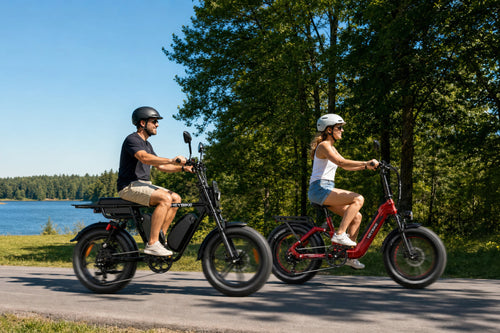



Share:
Torque Sensor vs Cadence Sensor: Which E-Bike Is Better?
2026 Valentine's Day: Heybike E-Bikes – Ride into Romance