


When you ride an electric bike, the way the motor helps you pedal makes a big difference in how the ride feels. There are two main types of pedal-assist systems: cadence sensors and torque sensors. At first they sound technical, but the difference is actually simple—and very important for daily riding.
These sensors control how and when the motor supports your pedaling. The right choice can make your commute smoother, more comfortable, and less tiring. Whether you ride short city routes, stop at lots of red lights, or want a natural bike-like feel, understanding these sensors helps you pick an e-bike that truly fits your lifestyle and riding habits.
Quick Answer: Which Sensor Should You Choose?
If your goal is relaxed riding with very little physical effort, a cadence sensor is often the better option. It provides steady motor support as soon as you pedal. However, if you want smoother starts, a more natural pedaling feel, and better control in traffic or on hills, a torque sensor is usually the smarter daily commuting choice.
How Pedal-Assist Sensors Work
Pedal-assist sensors help the motor understand when—and how much—support to provide while you ride. They detect either your pedaling motion or the pressure you apply. Based on that input, the motor adds power, which affects acceleration, smoothness, and how natural the bike feels during everyday riding.
What Is a Cadence Sensor on an E-Bike?
A cadence sensor works by sensing pedal rotation, not effort. As soon as you start pedaling, the motor assists at a fixed level based on your chosen PAS setting. This makes riding feel easy and predictable, especially for beginners or riders who prefer relaxed, low-effort commuting.
Pros & Cons of Cadence Sensors
Pros of Cadence Sensors
- Cadence sensors provide instant motor support as soon as you pedal, making rides feel light, relaxed, and less physically demanding.
- They’re easy to understand and use with little learning curve—great for first-time e-bike riders
- Cadence systems are simpler in design, which often helps keep e-bike prices lower.
Cons of Cadence Sensors
- Motor assistance can feel abrupt when starting from a stop, which may feel less smooth in traffic or crowded areas.
- Because effort isn’t measured, the ride can feel less connected to how hard you pedal.
- Riders may adjust PAS levels more often to manage speed in busy bike lanes or intersections.
What Is a Torque Sensor on an E-Bike?
A torque sensor measures how much pressure you apply to the pedals. The harder you pedal, the more power the motor delivers in real time. This creates a smooth, natural, responsive riding experience that feels closer to a traditional bicycle—especially in traffic or on hills.
Pros & Cons of Torque Sensors
Pros of Torque Sensors
- Torque sensors respond to how hard you pedal, creating smooth, bike-like assistance that feels balanced and comfortable.
- Power increases gradually with effort, making starts, stops, and low-speed riding more predictable and easier to manage.
- Because assistance matches rider input, torque sensors often use battery power more efficiently during daily commuting.
Cons of Torque Sensors
- Torque sensor systems are more advanced, which usually makes e-bikes more expensive than cadence-based models.
- Some beginners need time to adjust to effort-based assistance, especially if they expect instant motor power.
- With added sensors and tuning, torque systems can be slightly more complex to service or adjust if issues arise.
Torque vs Cadence Sensors: Side-by-Side Comparison Table
| Feature | Cadence Sensor | Torque Sensor |
|---|---|---|
| Responsiveness | Starts after pedal rotation | Instant, effort-based |
| Start from a stop | Can feel sudden | Very smooth |
| Low-speed control | Less precise | Excellent |
| Hill climbing feel | Power-based | Effort-matched |
| Battery tendency | Uses more power | More efficient |
| Maintenance | Simple | More complex |
| Budget/value | More affordable | Higher cost, premium feel |
Commuting Scenarios That Actually Matter
Here are a few real commute situations where sensor choice makes a noticeable difference:
Red Lights Every Block
Frequent stops require smooth, responsive pedal-assist to start quickly and safely without jerky movements or wasting battery power.
Short Steep Hills vs Long Gradual Climbs
Torque sensors excel on steep hills by matching power to effort, while longer climbs can benefit from steady assistance for efficiency and comfort.
Bike Lanes and Pedestrians
Low-speed control is crucial for safe maneuvering around pedestrians, enabling precise stops and smooth starts in crowded lanes.
Carrying a Backpack or Pannier
Extra weight affects acceleration and handling. A responsive sensor helps maintain consistent support and safer control when riding with cargo.
Riding in Office Clothes
Comfortable, controlled assistance helps prevent overexertion and sweating, making commutes in work attire easier and more enjoyable.
Weekend City Cruise
Relaxed rides benefit from smooth, steady motor assistance for a comfortable and enjoyable experience while exploring city streets or scenic routes.
Can You Get the Best of Both?
Some modern e-bikes use advanced software tuning to get the most out of either sensor type. While true dual-sensor systems that combine cadence and torque are still uncommon, smart motor mapping and settings can make a cadence sensor feel more responsive or a torque sensor feel smoother. This means you can still enjoy a natural, efficient ride even if your bike has only one sensor type.
Heybike Picks: Commuter-Friendly Options by Sensor Preference
Choosing the right electric bike for your daily commute involves more than just picking a model that looks good or fits your budget. Here are commuter-friendly Heybike picks based on sensor preference:
Heybike Cityrun eBike
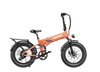
The Heybike Cityrun commuter eBike is made for easy city riding. You don’t need to pedal hard—just move the pedals and the motor helps. Priced at $999, it’s an affordable option for everyday commuting. The 1000W peak motor delivers smooth, steady support that works well for traffic, red lights, hills, and windy roads.
The Cityrun is a strong choice for daily commuters who want to arrive without sweating. It offers a listed 55-mile range, strong hydraulic brakes, and a comfortable riding position.

Heybike ALPHA eBike
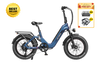
The Heybike ALPHA mid-drive eBike with a torque sensor is a premium Heybike option. The sensor measures how hard you pedal and adjusts motor power to match—more effort brings more assist, lighter pedaling brings less. The result is a natural, bike-like feel with better control.
Priced at $1,299, it delivers 105 N·m torque through a mid-drive motor, which can help a lot on hills. The 680Wh battery is listed for up to 60 miles, using power efficiently because assist matches rider input. It’s a great pick for experienced riders and fitness-focused commuters who want smooth, balanced control.

Heybike Helio F eBike
The Heybike Helio F folding eBike with a torque sensor weighs only 40 pounds, making it easy to carry and store. Even with its compact design, it rides smoothly because the torque sensor adjusts power based on how you pedal. The 250W motor can feel stronger because assistance is applied at the right moments.
It folds in seconds using the X-Fold system, making it ideal for buses, trains, and small apartments. Priced at $1,299, the Helio F is a great option for city riders who want easy storage and a premium riding feel.

Make Your Decision Now
Both torque and cadence sensors work well—it all depends on how you ride. Cadence sensors are great for easy commuting and budget-friendly choices. Torque sensors feel more natural, controlled, and comfortable for traffic-heavy routes and hills. Think about your daily commute, how often you stop, and how much control you want. Choosing wisely means enjoying every mile, not just reaching your destination.

Share:
Best Commuter E-Bikes in 2026: A Practical Guide for Daily Work Rides
Heybike Mars 3.0 vs Mars 2.0: What’s New and Worth Upgrading?