



What is a Cruiser Bike?
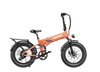
A cruiser bike, sometimes called a beach cruiser, is built for easy, comfortable riding. It usually has an upright riding position, wide handlebars, a relaxed frame shape, a soft saddle, and wider balloon-style tires. That is why cruiser bikes feel so natural on beach paths, boardwalks, paved roads, and casual neighborhood rides.
Unlike a mountain bike, a cruiser bike is not designed around aggressive handling, steep climbs, or technical trails. The geometry is more laid-back. The tires are usually smoother. Many traditional cruisers also have simple drivetrains, limited gearing, and little to no suspension.
That does not mean a cruiser bike has to stay on perfect pavement all the time. It just means you need to be realistic about the kind of terrain it can handle. Smooth gravel, packed dirt, grass, and firm beach paths are very different from rocky singletrack, loose sand, mud, or steep off-road trails.
Can You Ride a Cruiser Bike Off-Road?
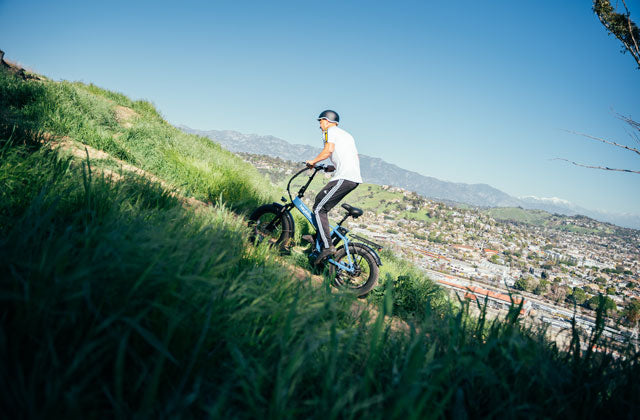
Yes, you can ride a cruiser bike off-road, but only on light and simple terrain. A cruiser bike can usually handle packed dirt, firm gravel, dry grass, and short beach approaches. It is not the right choice for technical mountain bike trails, deep sand, wet mud, sharp rocks, or steep downhill sections.
The main thing to understand is that cruiser bikes are made for comfort first. Their upright riding position feels great on flat ground, but it gives you less control when the terrain gets rough. The wide tires help with stability, but most cruiser tires do not have enough tread for loose dirt or rocky trails.
If your route is mostly paved with a few short dirt or gravel sections, a cruiser bike can work. If your route is mostly off-road, you will be much happier on a fat tire e-bike, hybrid e-bike, or mountain-style e-bike.
What Kind of Off-Road Terrain Can a Cruiser Bike Handle?
Not all “off-road” riding is the same. Some surfaces are easy enough for a cruiser bike. Others are better left to bikes with stronger tires, better brakes, more clearance, and suspension.
| Terrain | Can a Cruiser Bike Handle It? | What to Know |
|---|---|---|
| Packed gravel paths | Usually yes | Keep your speed moderate and avoid loose corners. |
| Hard-packed dirt roads | Usually yes | Best when the surface is dry and mostly flat. |
| Grass paths | Sometimes | Dry, short grass is manageable. Wet grass can be slippery. |
| Beach boardwalks and firm sand | Yes, with care | Firm sand near packed areas is easier than deep, soft sand. |
| Loose gravel | Not ideal | Traction drops quickly, especially with smooth cruiser tires. |
| Mud | No | Cruiser tires can slip, clog, and lose control. |
| Rocky trails | No | Low clearance and limited suspension make damage more likely. |
| Technical mountain trails | No | Use a mountain bike or all-terrain e-bike instead. |
Things to Do Before Riding a Cruiser Bike Off-Road
Before taking a cruiser bike off the pavement, check the route and the bike. A few minutes of preparation can save you from a rough ride, a flat tire, or damage to the bike.
- Check the terrain first. Look at the route before you ride. Packed dirt and smooth gravel are very different from rocks, roots, mud, or deep sand.
- Avoid steep climbs and drops. Cruiser bikes are heavier and less agile than mountain bikes, so steep terrain can be harder to control.
- Inspect the tires. Make sure the tires have enough air and no visible cracks, cuts, or worn-out tread.
- Use the right tire style. If you plan to ride light gravel often, consider tires with more tread than standard smooth cruiser tires.
- Check the brakes. Off-road surfaces reduce traction, so strong, responsive brakes matter.
- Ride slower than usual. A cruiser bike is not built for fast trail riding. Stay relaxed and keep your speed under control.
Why Average Cruiser Bikes Struggle Off-Road
Most cruiser bikes are not bad bikes. They are just designed for a different job. A cruiser is made for relaxed riding on predictable surfaces. When the ground gets loose, steep, or bumpy, its comfort-focused design becomes a limitation.
The low, relaxed riding position can make it harder to stand over bumps. The longer wheelbase feels stable on pavement, but it is not as responsive on tight trails. Smooth cruiser tires can slide on gravel, mud, or leaves. If the bike has limited clearance, rocks or debris can also hit the frame, fenders, or drivetrain.
This is why a standard cruiser bike may feel fine on a short gravel shortcut but uncomfortable on a real trail. For serious off-road riding, choose a bike designed for that purpose.
Can a Beach Cruiser Bike Go on Trails?
A beach cruiser bike can go on easy trails if the surface is flat, dry, and smooth. Think packed dirt paths, park trails, or short gravel sections. It should not be used on narrow mountain trails, root-filled paths, steep routes, or loose downhill sections.
If the trail looks like a walking path and the ground is firm, a cruiser bike may be fine for a short ride. If the trail looks like something made for mountain bikes, a cruiser bike is the wrong tool.
Can Cruiser Bikes Go Off Road With Better Tires?
Better tires can help, but they do not turn a cruiser bike into a mountain bike. Treaded tires can improve grip on dirt or gravel, and wider tires can feel more stable on uneven ground. Still, the frame, riding position, brakes, gearing, and suspension limits remain.
If you only want to handle occasional gravel or packed dirt, tire upgrades may be enough. If you want to ride trails regularly, it is better to start with a bike built for mixed terrain.
What is a Cruiser Bike Good For?
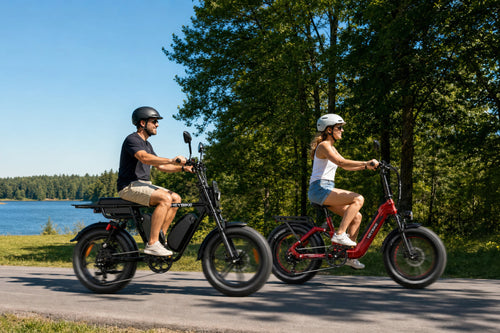
A cruiser bike is best for comfortable, relaxed riding. It works well on paved roads, beach paths, boardwalks, sidewalks where bikes are allowed, and flat neighborhood routes. For many riders, the appeal is not speed. It is comfort, stability, and an easygoing ride.
Cruiser bikes are also great for short trips, casual errands, and scenic rides. If the ground is flat and predictable, a cruiser bike is one of the easiest bikes to enjoy. That is why beach cruiser bikes remain popular with riders who want a simple and comfortable way to get around.
For more on this style of bike, you can read our guide to beach cruiser electric bikes.
When Should You Choose an All-Terrain E-Bike Instead?
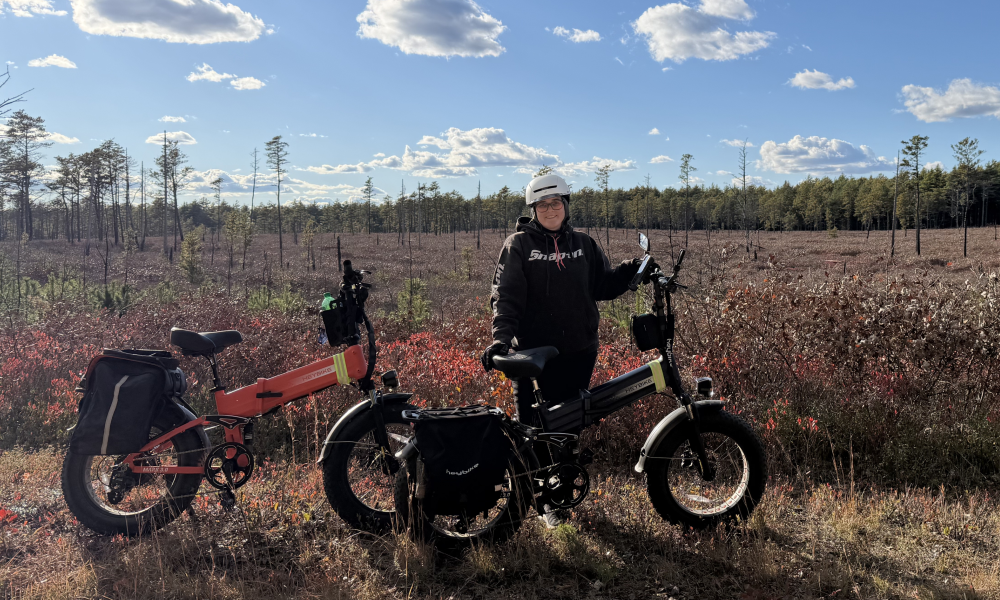
If you like the comfort of a cruiser but want more freedom on rougher routes, an all-terrain e-bike is usually the better choice. Fat tires, stronger brakes, better traction, and more capable frames make a big difference once you leave smooth pavement.
The Heybike ALPHA is a better fit if your rides include gravel, dirt roads, beach paths, or mixed terrain. Its fat tires and all-terrain setup give you more control than a traditional cruiser bike when the surface gets loose or uneven.
If you need something compact for travel, RV trips, storage, or weekend routes with both paved and uneven sections, the Heybike Mars 3.0 is another model to consider. Its folding frame and fat tire setup make it more versatile than a traditional beach cruiser for mixed everyday riding.
You can also browse the full Heybike electric bike lineup if you want to compare cruiser-style comfort with fat tire, folding, commuter, and all-terrain options.
FAQs about Riding a Cruiser Bike Off-Road
Can I ride a cruiser bike off-road?
Yes, you can ride a cruiser bike off-road on light terrain such as packed dirt, smooth gravel, dry grass, or firm beach paths. Cruiser bikes are not designed for rocky trails, deep sand, mud, steep climbs, or technical off-road riding.
Can you ride a cruiser bike on trails?
You can ride a cruiser bike on easy, flat trails if the surface is dry and smooth. Avoid mountain bike trails, root-filled paths, rocky sections, and steep routes because cruiser bikes do not have the handling or suspension for that terrain.
Can cruiser bikes go off road like mountain bikes?
No. Cruiser bikes are built for comfort, not technical off-road performance. They usually lack suspension, aggressive tires, high ground clearance, and responsive trail geometry, so they should not be used like mountain bikes.
Are cruiser bikes bad for off-road conditions?
Cruiser bikes are not ideal for real off-road conditions. Their smooth tires, relaxed geometry, heavier frames, and limited clearance can make them harder to control on loose gravel, mud, rocks, roots, or steep terrain.
Can a beach cruiser bike ride on gravel?
A beach cruiser bike can ride on packed gravel if you go slowly and the surface is stable. Loose gravel is harder because cruiser tires may slide, especially when turning or braking.
What is a cruiser bike good for?
A cruiser bike is good for relaxed riding on paved roads, beach paths, boardwalks, flat neighborhoods, and short casual trips. It is best for comfort and stability rather than speed or rough-terrain performance.
Can I make a cruiser bike better for off-road riding?
You can make a cruiser bike better for light off-road riding by using tires with more tread, checking tire pressure, improving brakes, and keeping your speed low. However, it still will not perform like an all-terrain or mountain bike.
Conclusion
Cruiser bikes are made for comfort, not hard off-road riding. They are great on paved roads, beach paths, boardwalks, and flat neighborhood routes. They can also handle light off-road sections such as packed gravel or dry dirt, as long as you ride carefully and avoid rough terrain.
You should not expect a standard cruiser bike to perform well on rocky trails, mud, deep sand, steep climbs, or technical singletrack. For those rides, choose a fat tire e-bike, hybrid e-bike, or all-terrain model instead.
If you want cruiser-style comfort with more confidence on mixed surfaces, look at an all-terrain option like the Heybike ALPHA. If you want something compact and versatile for weekend routes, storage, or RV travel, the Mars 3.0 may be a better fit than a traditional cruiser.

Share:
The Ultimate Guide to Direct Drive Hub Motors
New California Ebike Law 2026: Important Updates You Should Know