

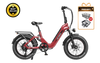
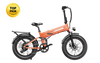
Aventon offers a broad U.S. e-bike lineup spanning city commuters, step-through cruisers, lightweight urban bikes, fat-tire models, cargo haulers, and electric mountain bikes. This guide compares their features and everyday trade-offs, from motor choice and lifting weight to connected security and local service, plus when it makes sense to compare Heybike.
Who Is Aventon? Brand Background and Manufacturing
Aventon began as a bicycle brand in California before expanding into electric bikes. Ride Aventon, Inc. is headquartered in Brea, California, with manufacturing operations in China.
U.S. headquarters, overseas manufacturing, and local dealer support are different parts of the ownership experience. For buyers, frame fit, assembly options, and access to service are more useful comparison points than headquarters alone.
Aventon's Lineup by Riding Category
The models below cover six riding categories, with differences in motor layout, riding position, and carrying capacity.
City Commuters: Level 4 REC and Level 4 ADV
Level 4 REC. A 750W rear hub motor, 733Wh battery, regenerative braking, and a Sensor Switch for torque or cadence sensing come with a rack and fenders.
Level 4 ADV. This model uses Aventon's Ultro S mid-drive motor with 100 Nm of torque, an 800Wh battery, and a Shimano CUES 10-speed drivetrain with E-Shifter and AutoShift. Compare its pedaling feel and shifting system with the REC rather than treating it as simply a bigger-motor upgrade.

Comfort Cruisers: Pace 5 REC and Pace 4
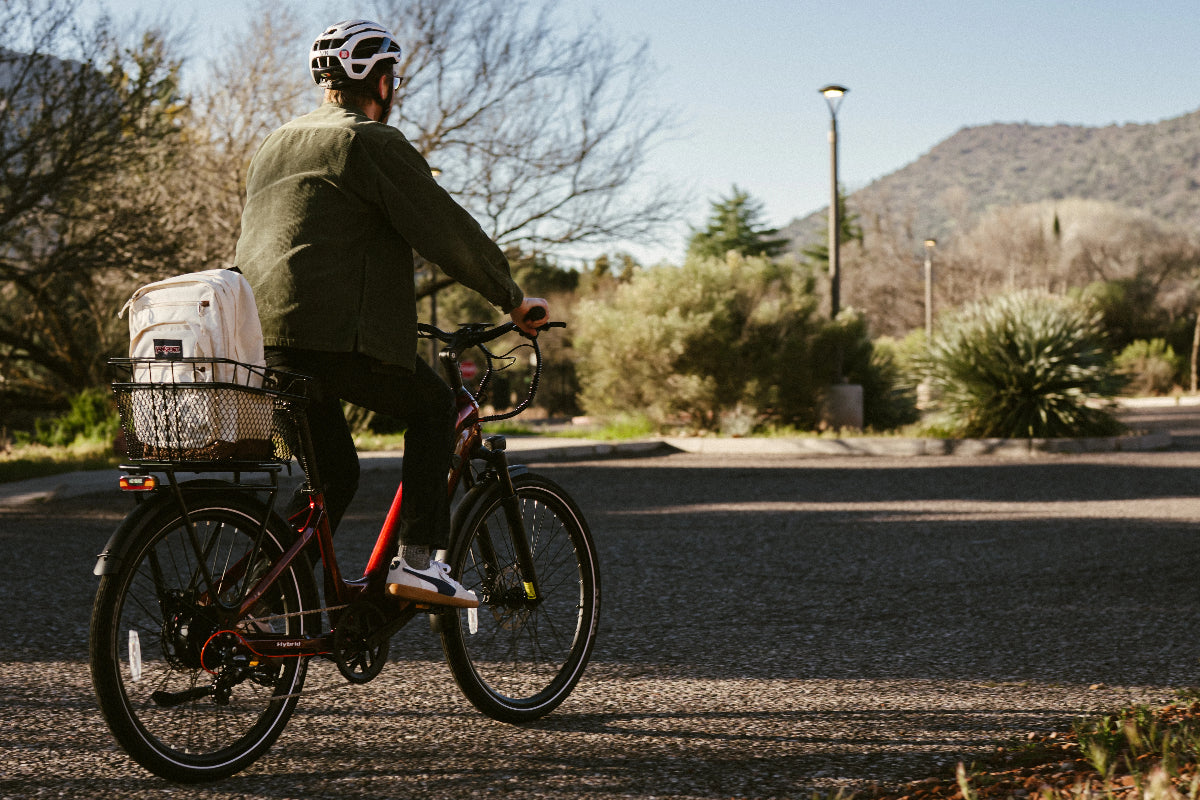
Pace 5 REC. A low step-through frame, swept-back handlebars, 750W rear hub motor, 733Wh battery, and regenerative braking prioritize upright riding. Its rigid fork and accessory requirements are worth weighing against a fully equipped commuter.
Pace 4. This step-through cruiser uses a 500W hub motor and a 50mm suspension seatpost, without regenerative braking.
Lightweight Urban: Soltera 3 ADV
At a listed 37 pounds, the Soltera 3 ADV is worth considering if carrying the bike matters more than having a throttle.
It pairs a 250W rear hub motor and a 366.8Wh integrated battery with a single-speed Gates Carbon Belt Drive. It is a Class 1 model with pedal assistance up to 20 mph and no throttle.
Fat-Tire All-Terrain: Aventure 3 and Aventure M
Aventure 3. This 76-pound bike combines 26×4-inch tires, a 750W hub motor, an 80mm suspension fork, a 50mm suspension seatpost, and a 400-pound total weight limit.
Aventure M. This is the mid-drive alternative, pairing Aventon's A100 motor with AutoShift. Consider it if you prefer shifting through gears under pedal assistance; check the exact configuration when comparing throttle and assist options.
Cargo and Utility: Abound LR and Abound SR
Both cargo bikes use 20×3.0-inch wheels, a 750W rear hub motor, a 733Wh battery, and a 440-pound total weight limit, including a 143-pound rear rack limit.
Abound LR. The 88-pound long-tail suits larger cargo setups. Abound SR. The short-tail trims listed weight to 80 pounds for more compact utility use.
For passenger carrying, check approved seating accessories and loading instructions separately. Total payload is not the same as rear rack capacity.

Electric Mountain Bikes: Ramblas ADV and Current Series
Ramblas ADV. This 54-pound Class 1 hardtail eMTB uses the A100 mid-drive motor with 100 Nm of torque, a 708Wh battery, and a 130mm RockShox Psylo Silver fork.
Current series. The full-suspension Current ADV, EXP, and LTD models use the Ultro X mid-drive platform and 800Wh batteries. Compare suspension, frame construction, and components against your terrain rather than choosing by peak motor output alone.
Aventon Representative Models Comparison
| Model | Motor & Battery | Listed Weight & Total Weight Limit | Best Fit | Main Trade-Off |
|---|---|---|---|---|
| Level 4 REC | 750W hub (80 Nm); 733Wh | 68.5 lb; 300 lb limit | Daily commuting with throttle, rack, fenders, and ACU | Heavy to carry upstairs |
| Level 4 ADV | Ultro S mid-drive (100 Nm); 800Wh | 61 lb; 300 lb limit | Commuters seeking mid-drive assistance and AutoShift | More shifting technology to evaluate; throttle not included |
| Pace 5 REC | 750W hub (80 Nm); 733Wh | 60.48 lb; 330 lb limit | Upright recreational riding | Rigid fork; rack and fenders are additional equipment |
| Soltera 3 ADV | 250W hub (40 Nm); 366.8Wh | 37 lb; 300 lb limit | Riders carrying the bike indoors | No throttle; single-speed; no ACU |
| Aventure 3 | 750W hub (80 Nm); 733Wh | 76 lb; 400 lb limit | Mixed-surface riding with wide tires | Heavy and non-folding |
| Abound LR | 750W hub (80 Nm); 733Wh | 88 lb; 440 lb limit | Larger cargo and errand loads | Heavy long-tail frame; rear rack has a separate load limit |
| Ramblas ADV | A100 mid-drive (100 Nm); 708Wh | 54 lb; 300 lb limit | Hardtail trail riding | Class 1 only; no throttle or ACU 4G/GPS |
Listed specifications describe the model versions discussed here. Compare the exact size and configuration before ordering. Battery capacity and advertised maximum range are not interchangeable measures of real-world distance.
Independent tests illustrate why riding conditions matter. OutdoorGearLab recorded 33.4 miles in throttle-only hilly riding on the Level 4 REC. ElectricBikeReview recorded 34 miles at maximum pedal assist and 62 miles at minimum assist on the Aventure 3. These are separate tests, not directly comparable rankings.
How Model Differences Affect Your Buying Decision
Frame Fit, Weight, and Storage
Start with standover clearance, reach, and the exact frame size, not just a brand's overall rider-height range. Cargo bikes also need a loaded handling check: a suitable saddle height does not tell you how manageable the bike will feel when stopping with cargo.
The 37-pound Soltera 3 ADV and the 80–88-pound Abound models represent very different lifting commitments. For an apartment, SUV, or RV, measure the storage opening and available space, then consider whether you can safely lift the bike.
A test ride is particularly useful if you are between sizes or deciding between step-through and step-over frames.
Hub-Drive vs. Mid-Drive and Assist Control
The Level 4 REC, Pace 5 REC, Aventure 3, Abound models, and Soltera 3 ADV use rear hub motors. The Level 4 ADV, Ramblas ADV, Aventure M, and Current models use mid-drive motors.

Hub-drive choices. The Level 4 REC, Pace 5 REC, Aventure 3, and Abound LR/SR include a thumb throttle. Soltera 3 ADV is the exception in this group: it is pedal-assist only. Check sensing and control options by model rather than assuming every hub-drive bike behaves the same way.
Mid-drive choices. Motor assistance runs through the drivetrain, so gear selection becomes part of the riding experience. Ramblas ADV is a Class 1 model without a throttle. For other models, check the supplied configuration and supported assist options individually.
Throttle performance also varies. OutdoorGearLab's Aventure M testing recorded 16.1 seconds to reach 20 mph on throttle alone. A motor's torque figure does not by itself tell you how a bike accelerates without pedaling.
ACU Connected Security and Ongoing Subscription
ACU-equipped models offer connected security features such as tracking, alerts, and remote controls. The exact lock hardware and functions differ by model; Soltera 3 ADV and Ramblas ADV do not include ACU 4G/GPS hardware.
Certain remote connectivity features require a paid subscription after a complimentary period. Check which functions remain available without renewal before deciding how much value the connected package adds for you.
Tracking and electronic locks should supplement, not replace, secure parking and a physical lock.
Safety Certifications
Check the exact model's electrical-system and battery certification listings rather than applying one label to the entire brand. UL 2849 and UL 2271 refer to standards; a name such as TÜV identifies a testing and certification body, not a separate or lower certification tier.
Buying, Assembly, Warranty, and Local Service
Ordering and Assembly
Aventon sells online and through partner bike shops. Before ordering, confirm delivery coverage, assembly requirements, and whether a nearby shop supports the specific model you are considering.
Ask about assembly charges, diagnostic fees, and service turnaround separately. Access to a dealer does not automatically mean assembly or repairs are free.
Returns
Riding a bike or adding odometer mileage can affect return eligibility and applicable fees. Review the return window, allowed condition, return shipping, and any restocking charges before ordering.
If you are uncertain about fit or handling, a local test ride can help avoid an expensive return.
Warranty and Dealer Labor
Aventon's Limited Warranty covers eligible replacement parts, not bike-shop labor. A covered component therefore does not necessarily mean a repair will be free: diagnostic and installation charges at a local shop are separate ownership costs.
Coverage and conditions differ for the frame, electrical components, and battery. Review transferability and any registration requirements, keep your purchase documentation, and ask your intended service shop how warranty claims and replacement-part installation are handled.
When It Makes Sense to Compare Heybike
Aventon is worth considering if local test rides, connected security, cargo models, or dedicated eMTBs match your priorities. Here are three situations where it makes sense to include Heybike's lineup in your comparison.
If Folding Storage Is a Priority
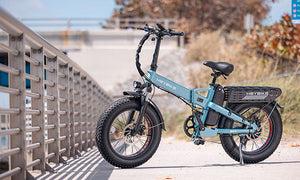
Compare folded dimensions, lifting weight, and how easily the bike fits your vehicle or storage space. Our Heybike Mars 3.0 pairs a folding frame and 20×4-inch tires with front-and-rear suspension, 95 N·m of torque, and a 440-pound payload limit at a listed 70 pounds.
For a closer look at folding versus full-size fat-tire formats, see our Heybike Mars 3.0 vs. Aventon Aventure 3 comparison.
If You Are Comparing Mid-Drive Fat-Tire Bikes
Include our Heybike ALPHA alongside the Aventure M. ALPHA combines a 105 N·m mid-drive motor, torque sensor, 26×4-inch tires, a 680Wh battery, and a 400-pound payload limit.
Compare drivetrain controls, loaded handling, fit, and included equipment rather than choosing on the torque number alone.
If You Want a Commuter With a Throttle and a Larger Battery
The Soltera 3 ADV prioritizes a 37-pound build, a belt drive, and pedal-assist-only riding. Our Heybike Venus takes a different approach with a 750W motor, throttle, Dual Sensor torque and cadence options, and a 680Wh battery.
Venus weighs 50 pounds, or 45 pounds without the battery. That is a 13-pound increase over the Soltera's listed weight, a meaningful trade-off if you carry the bike upstairs.
If battery capacity and payload take priority, our Heybike Hybrid pairs an 864Wh battery and 440-pound payload limit with a 750W motor, hydraulic suspension fork, rack, and fenders.
Bottom Line: How to Choose
Shortlist the Ramblas ADV for Class 1 hardtail riding, the Current series for a full-suspension format, the Abound models for cargo use, or the Level models for full-size commuting. Then compare lifting weight, fit, service access, and whether connected features are useful enough to you to justify ongoing subscription terms.
If folding storage, a commuter with a throttle and larger battery, or a mid-drive fat-tire setup suits your routine, compare Heybike's models side by side. The best choice is the bike whose everyday compromises fit your riding and storage needs.
Frequently Asked Questions
Does an Aventon e-bike still work without renewing the 4G subscription?
The subscription is optional, but certain remote connectivity features are limited without renewal. Check the model's non-subscription functions separately from its cellular features.
What should I compare if I need a folding e-bike?
Compare folded dimensions, lifting weight, hinge operation, and fit in your actual storage space. Include dedicated folding models such as the Heybike Mars 3.0 rather than assuming a full-size frame will fit.
Will a local dealer assemble or repair an online purchase for free?
Do not assume so. Confirm the shop's assembly fees, diagnostic charges, warranty process, and installation labor before booking service.
Share:
Lectric E-Bikes Guide: Models, Prices and Buying Considerations